Skip to content


3D printing, also known as additive manufacturing, is a technology that allows the creation of solid objects from a digital model. Unlike traditional methods where material is removed (such as milling or cutting), 3D printing builds the object layer by layer until the final shape is achieved. This method opens the door to custom creation that is fast and precise, accessible to everyone: enthusiasts, engineers, designers, and businesses.
Different Types of 3d Printers
There are several 3D printing technologies, each adapted to specific needs:
1. FDM (Fused Deposition Modeling)
It’s the most common and affordable. It heats a plastic filament (PLA, ABS, PETG…) and deposits it layer by layer. Ideal for prototypes and everyday objects.
2. SLA (Stereolithography)
This technology uses a liquid resin hardened by a laser or UV projector. It offers high precision and very smooth surfaces, perfect for jewelry, dental applications, or figurines.
3. SLS (Selective Laser Sintering)
SLS fuses nylon powder using a laser. It’s a robust method used for mechanical parts and functional prototypes.
4. DMLS / SLM (Metal)
These printers use the same logic as SLS, but with metal powder. They are used in aeronautics, medicine, and automotive industries to create highly resistant parts.
Materials Used in 3d Printing
Materials vary depending on the technology used:
PLA (Polylactic Acid): biodegradable, easy to print, perfect for beginners.
ABS (Acrylonitrile Butadiene Styrene): stronger and heat-resistant.
PETG: a blend of ABS robustness and PLA simplicity.
Photosensitive resins: used for SLA prints, very detailed.
Nylon, TPU, ASA: technical materials for professional use.
Metals (steel, titanium, aluminum): for industrial applications.
Each material has its advantages: flexibility, strength, finish, or durability, allowing them to meet a multitude of needs.
Advantages and Disadvantages of 3d Printing
✅ Advantages
Fast and economical creation: ideal for prototypes and small batches.
Total customization: each object can be unique.
Less waste: material is used with precision.
Accessibility: 3D printers are becoming increasingly affordable.
Innovation: new designs become possible thanks to creative freedom.
❌ Disadvantages
Sometimes long print times, especially for large parts.
Finishing work required (sanding, painting).
Cost of technical materials.
Limited print size depending on the machine.
Learning curve to master modeling software.
Despite these limitations, 3D printing remains a technological revolution that transforms how we design, produce, and innovate.
In summary, 3D printing is much more than a technology: it’s a new way to create. Whether you’re a curious individual or an innovative company, it offers infinite possibilities to transform your ideas into reality.
FAQ
All About 3D Printing
Can everyone do 3D printing?
Yes! With a desktop printer and a little practice, anyone can create objects at home, from simple gadgets to technical parts.
How much does a 3D printer cost?
Basic models start around $300, while professional printers can exceed $10,000, depending on precision and compatible materials.
Can you print in color?
Yes, some multi-extruder or automatic filament-changing printers allow printing multiple colors on a single part.
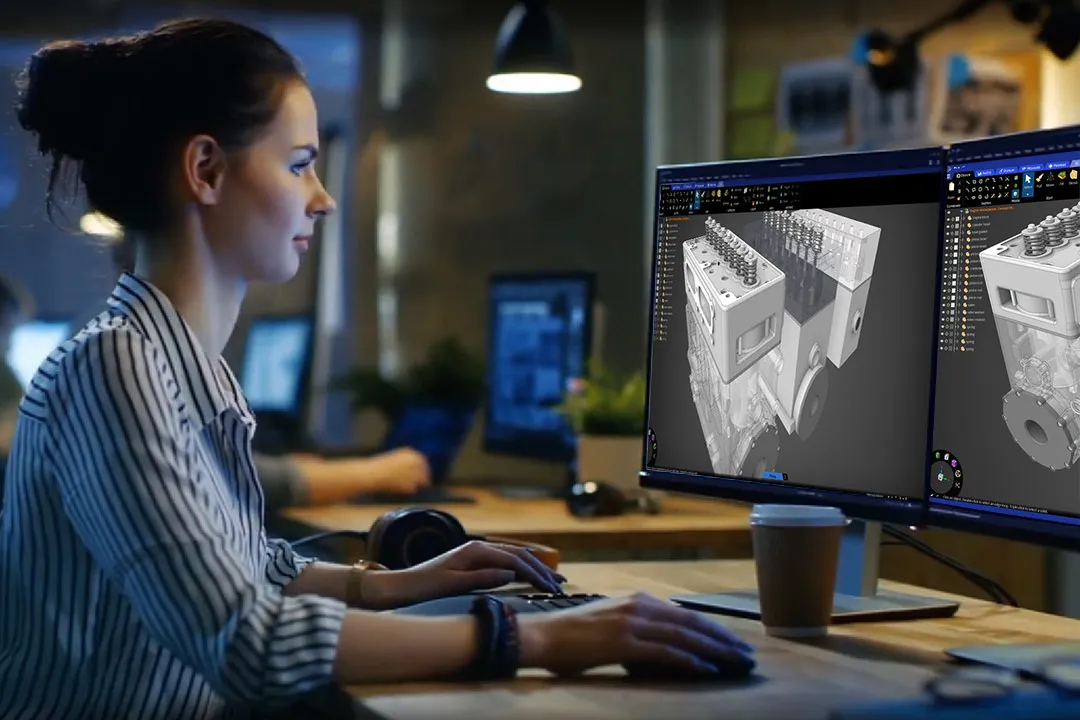
What software is needed for modeling?
The most popular are Fusion 360, TinkerCAD, Blender, or SolidWorks, depending on your skill level and needs.
Are 3D printed objects strong?
Yes, provided you use the right material and settings. Infill, wall thickness, and filament type directly influence the final strength.
Which company offers a 3D printing service?
The company ABC Impression 3D offers a professional 3D printing service in Quebec, specifically in Laval.